
Discover the island with the Berna Group
Easter in Mallorca: traditions, cuisine and celebrations
Introduction
Holy Week is one of the most important celebrations in Mallorca’s cultural calendar. During this time, towns and cities across the island come alive with processions, religious traditions and culinary specialities that form part of Mallorca’s cultural heritage.
Visiting Mallorca at this time of year allows you to discover a different side to the island, where tradition, culture and cuisine blend with the Mediterranean spring atmosphere.
Easter processions and traditions
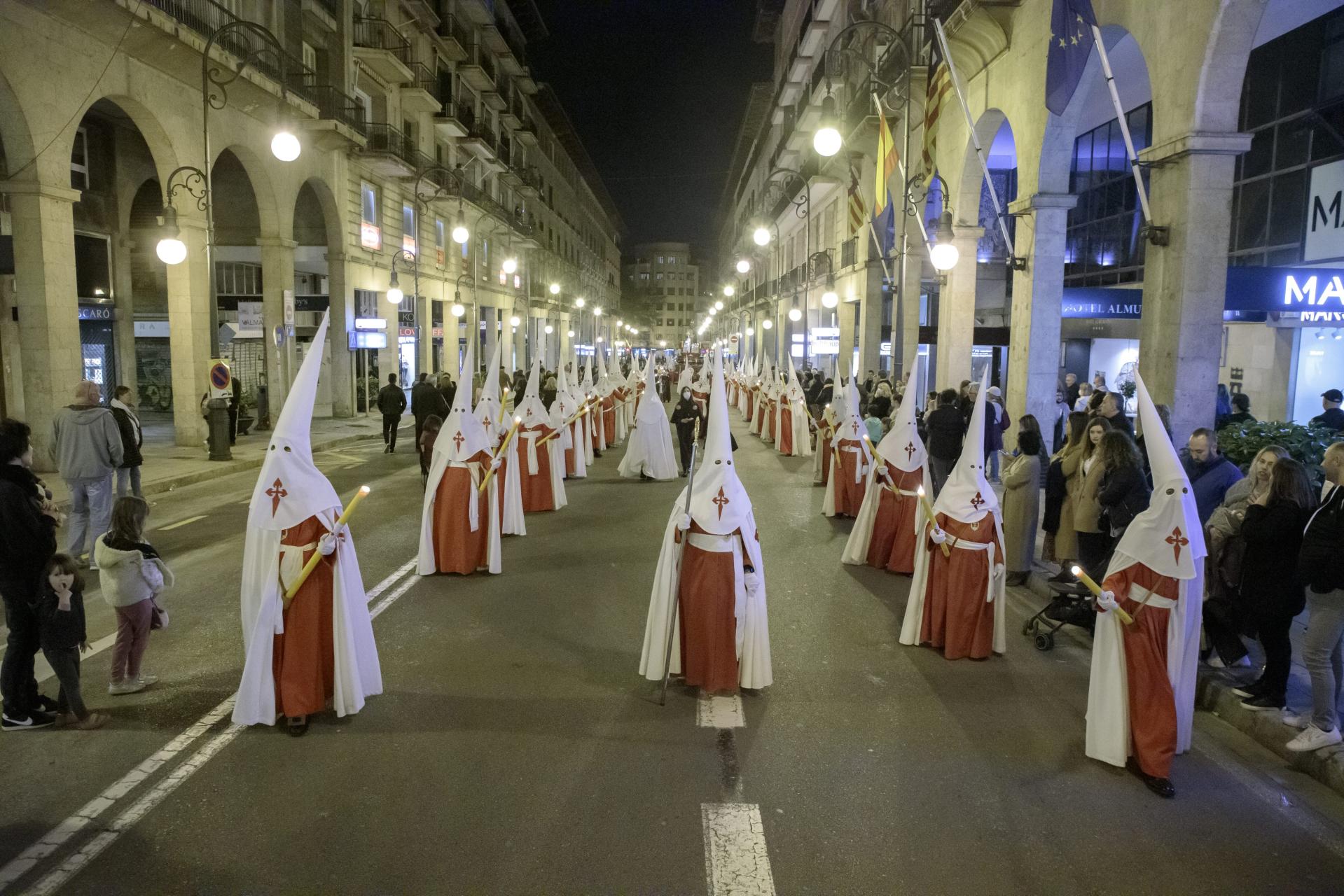
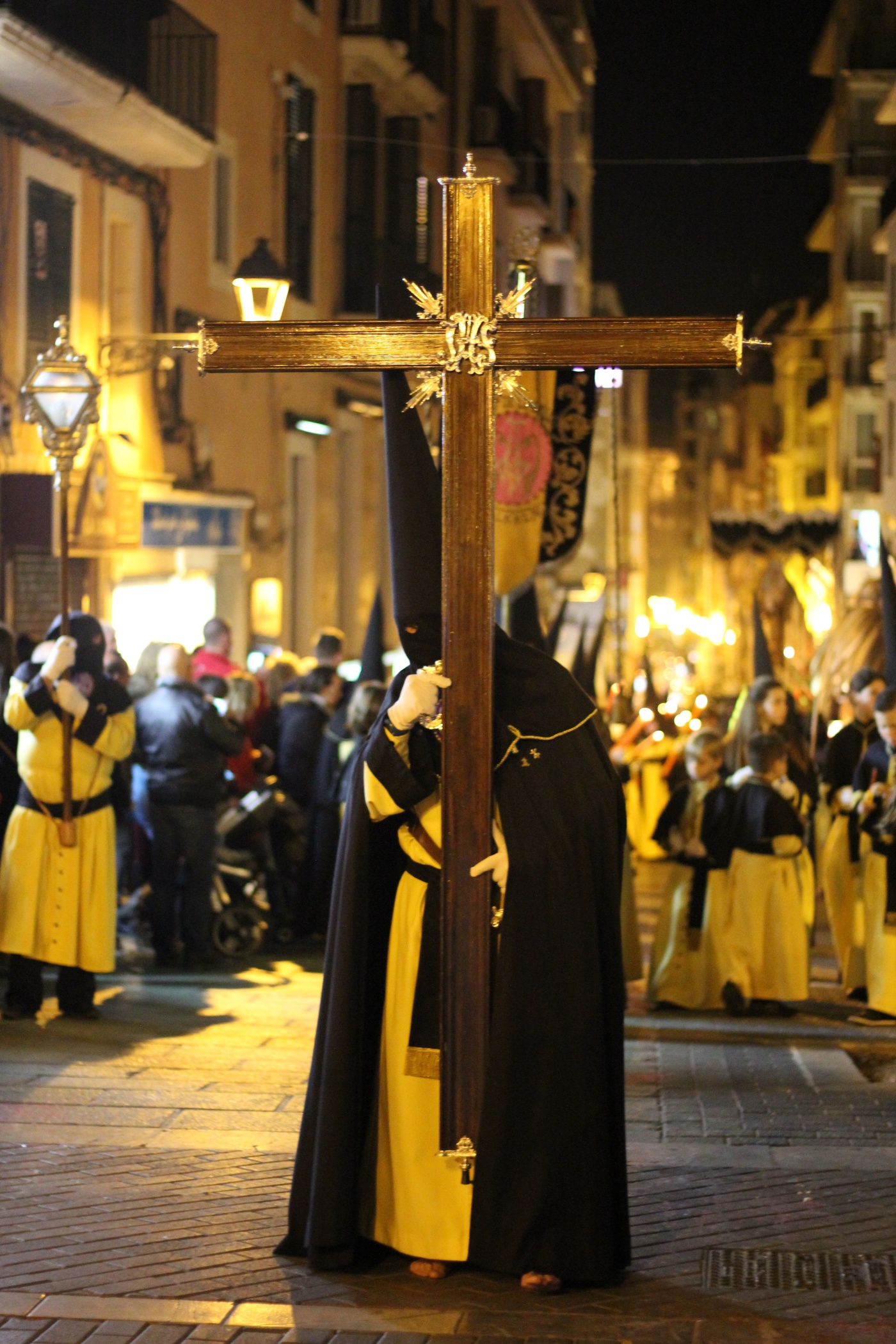
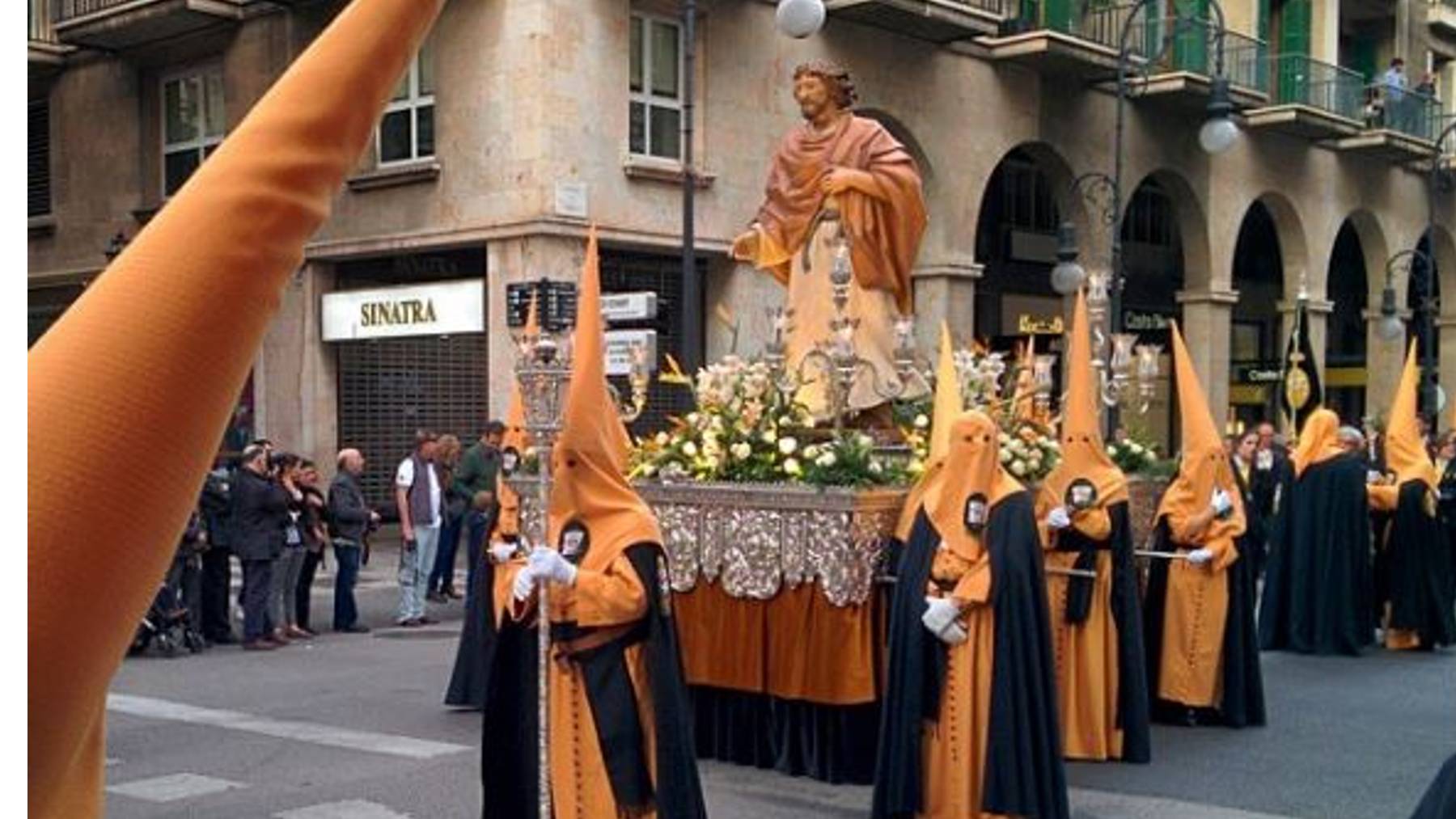
During Holy Week, numerous processions organised by local religious brotherhoods take place. These processions wind their way through the historic streets, accompanied by solemn music, candles and religious floats depicting scenes from the Passion.
In the island’s capital, Palma de Mallorca, some of the best-known processions take place in the historic centre and attract thousands of visitors every year.
Highlights include:
-
processions of Maundy Thursday
-
processions on Good Friday
-
liturgical celebrations on Easter Sunday
These traditions reflect centuries of history and form part of Mallorca’s cultural identity.
Traditions in the villages of Mallorca
In addition to the capital, many villages on the island maintain deeply-rooted traditions during Holy Week.
In towns in the south of Mallorca, such as
Ses Salines
These events tend to have a more intimate and authentic feel, offering a very special cultural experience for visitors to the island.
Cuisine typical of Holy Week
Holy Week in Mallorca is also characterised by traditional cuisine that is particularly enjoyed at this time of year.
Among the best-known products are:
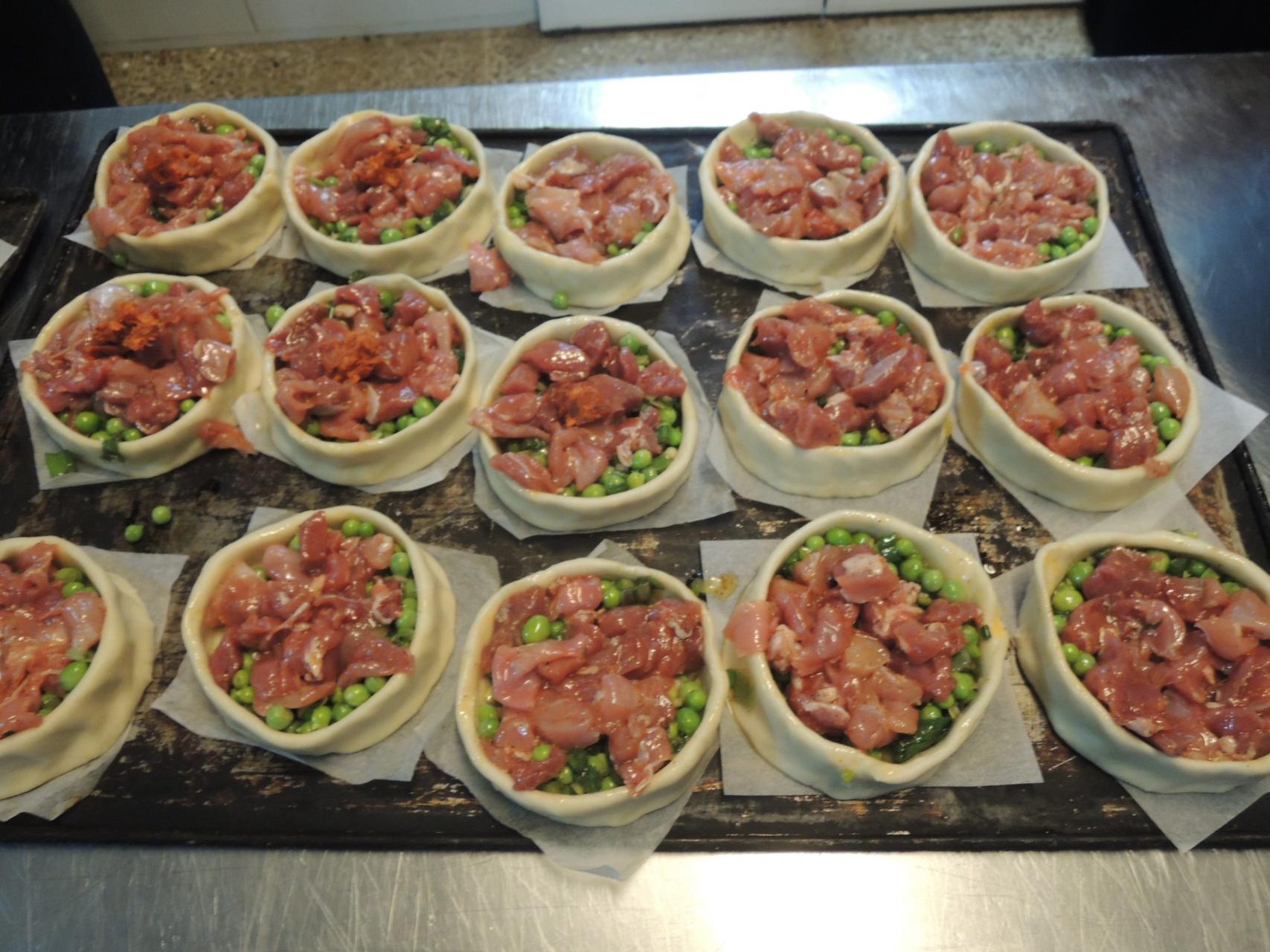
Panades
panades are traditional stuffed pastries filled with meat, peas or fish. They are one of the dishes most representative of Mallorcan cuisine during Holy Week.
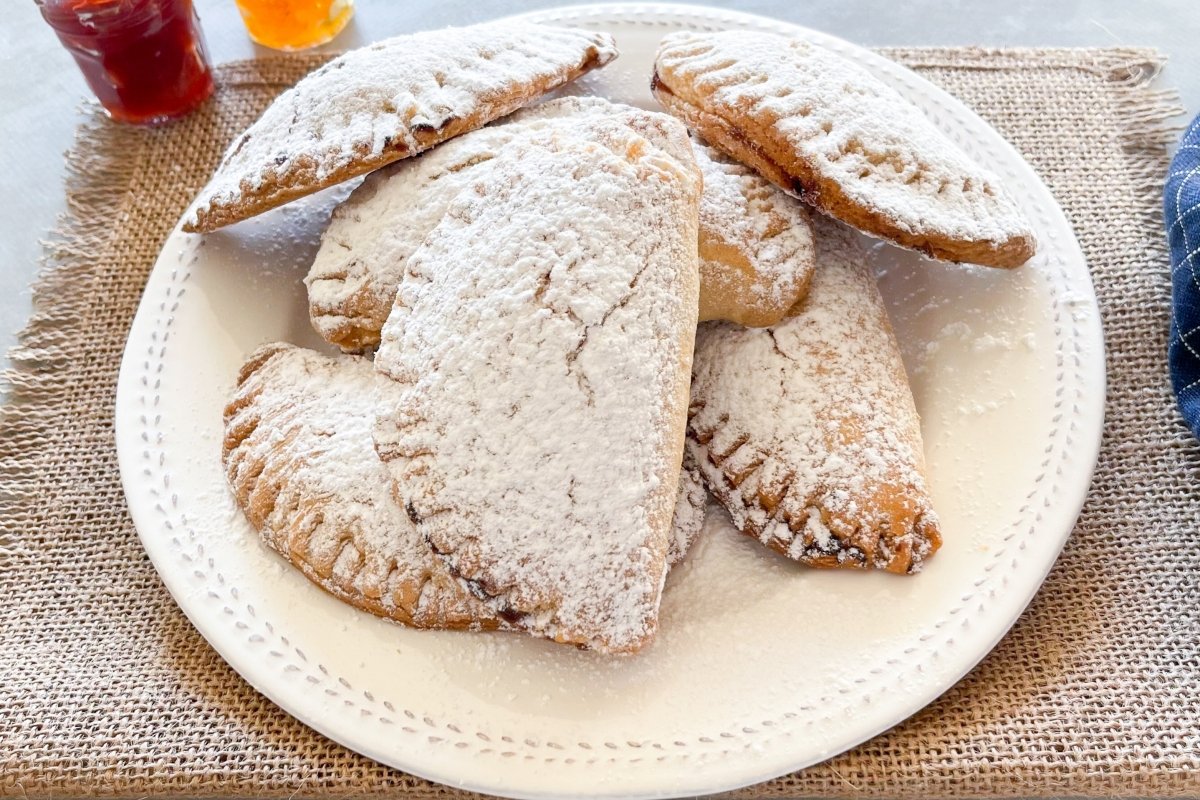
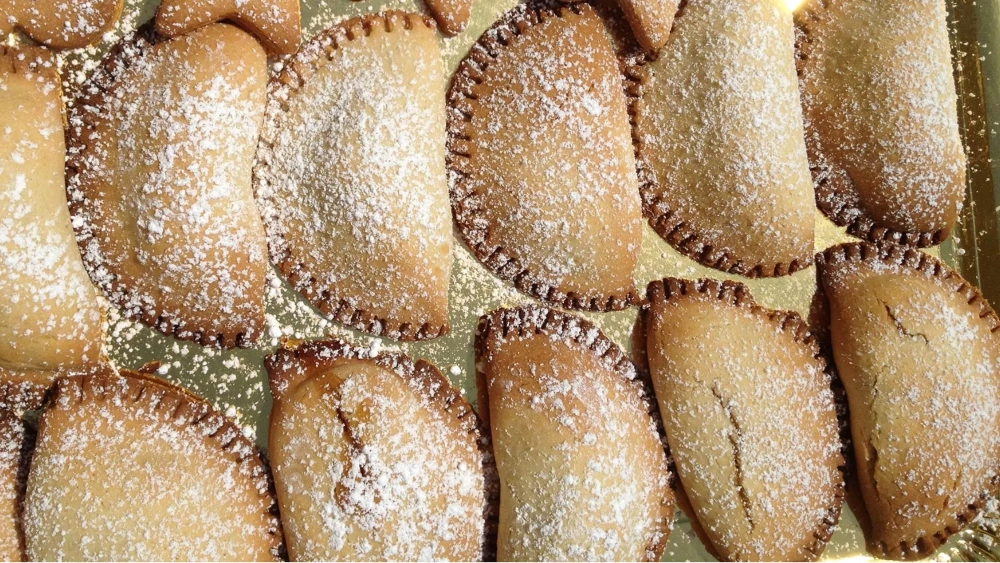
Rubiols
rubiols are traditional sweets filled with cottage cheese, angel hair or angel hair or jam. Their semicircular shape and their delicate flavour make them a classic dessert a20> classic of these times.
 .
. 
Crespells
crespells are traditional biscuits in a variety of shapes, very popular at family celebrations.
These recipes are prepared in many Mallorcan homes and form part of the culinary traditions passed down from generation to generation.
The perfect time to visit Mallorca
Easter week coincides with one of the most pleasant times of year to visit the island. The spring weather allows visitors to enjoy both the cultural traditions and the natural beauty of the Mediterranean landscape.
Places in the south of Mallorca, such as
Colonia de Sant Jordi,
, also offer a peaceful atmosphere that is ideal for relaxing and exploring the coast.
From here, you can visit natural attractions such as the famous
Es Trenc Beach,
one of the island’s best-known sights.
Conclusion
Holy Week in Mallorca combines religious tradition, local cuisine and cultural celebrations that form part of the island’s heritage.
Para quienes visitan Mallorca en primavera, estas fechas ofrecen una oportunidad única para conocer de cerca las costumbres locales mientras se disfruta del clima suave y del paisaje mediterráneo.
Exploring the island during Holy Week is a unique experience that allows you to appreciate the cultural richness and traditions that are still very much alive in Mallorca.

Nueva reserva confirmada en Grupo Berna
Hace 1 hora • Plazas limitadas